Buyer's guide
Artificial Grass Rolls in 2026: Prices, Widths, and What to Buy
Artificial grass rolls cost $2 to $8 per square foot for the material in 2026. Here's how rolls are sold, how much you need, and the specs that separate a good roll from a cheap one.
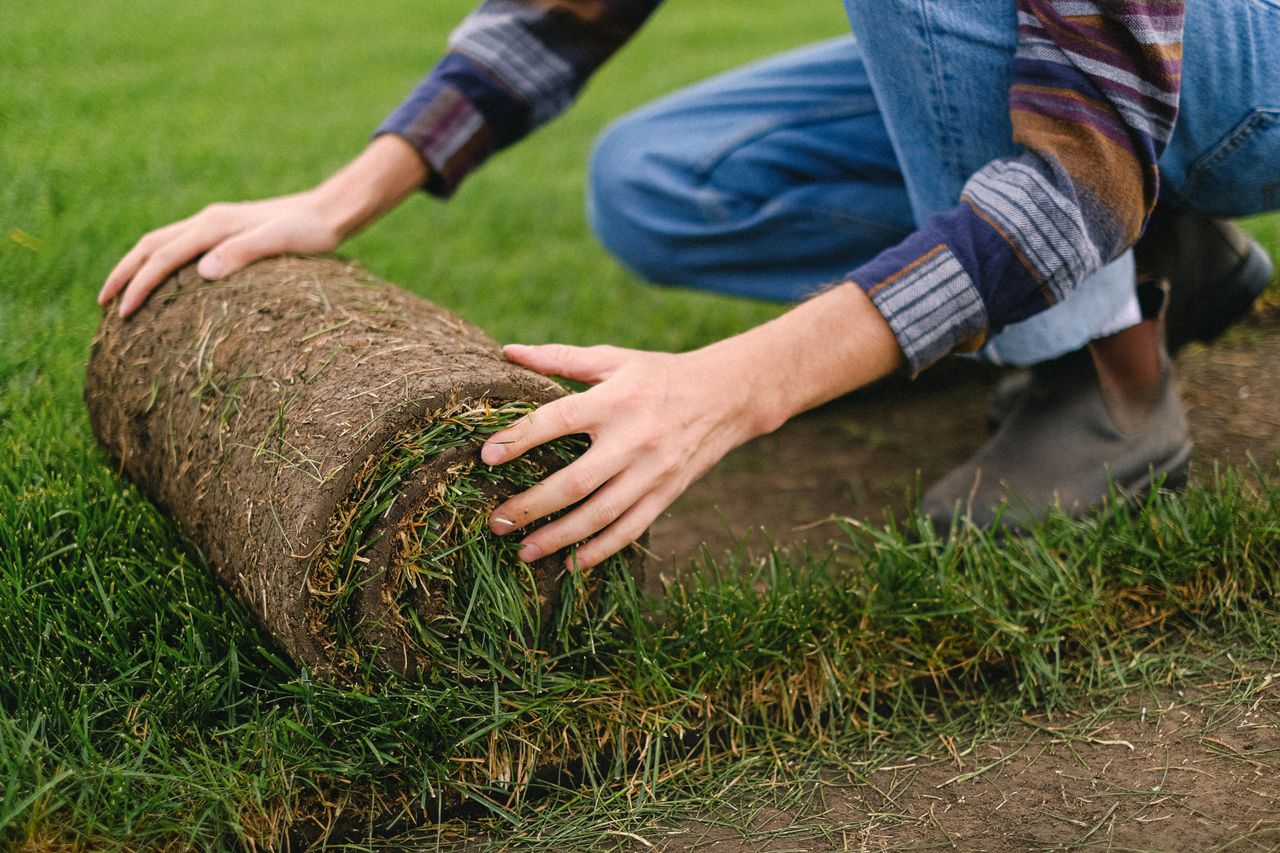
Artificial grass rolls cost $2 to $8 per square foot for the material in 2026, most often $3 to $5 for a good landscape grade. Rolls sell in fixed widths (commonly 15 feet, sometimes 6) and cut to any length, so you price by the square foot and buy a little extra for seams.
Artificial grass roll (material) (per sq ft)
Material only, before base, infill, and labor. Figures verified July 2026.
What do artificial grass rolls cost?
Artificial grass rolls cost $2 to $8 per square foot for the material in 2026, and a good landscape grade usually lands at $3 to $5, verified against LawnStarter, HomeGuide, and InstallArtificial data in July 2026. That’s the roll alone, before base, infill, and labor. If you’re pricing a whole installed lawn, the roll is the smaller half of the story; this page is about the roll itself.
Where a roll lands in that range comes down to fiber and weight.
| Fiber | Cost per sq ft | Best for |
|---|---|---|
| Polypropylene | $2–$6 | Budget, low-traffic, decorative, shaded areas. Softens in high heat. |
| Polyethylene | $3–$5 | The all-round landscape pick for most backyards. |
| Nylon | $5–$7 | High traffic and putting surfaces. Most durable and heat-tolerant. |
For a normal residential lawn, a polyethylene roll at $3 to $5 is the sensible middle. Polypropylene saves a couple of dollars but gives up durability and heat resistance; nylon costs more than most yards need unless it’s a putting green or a hard-use area.
How are artificial grass rolls sold?
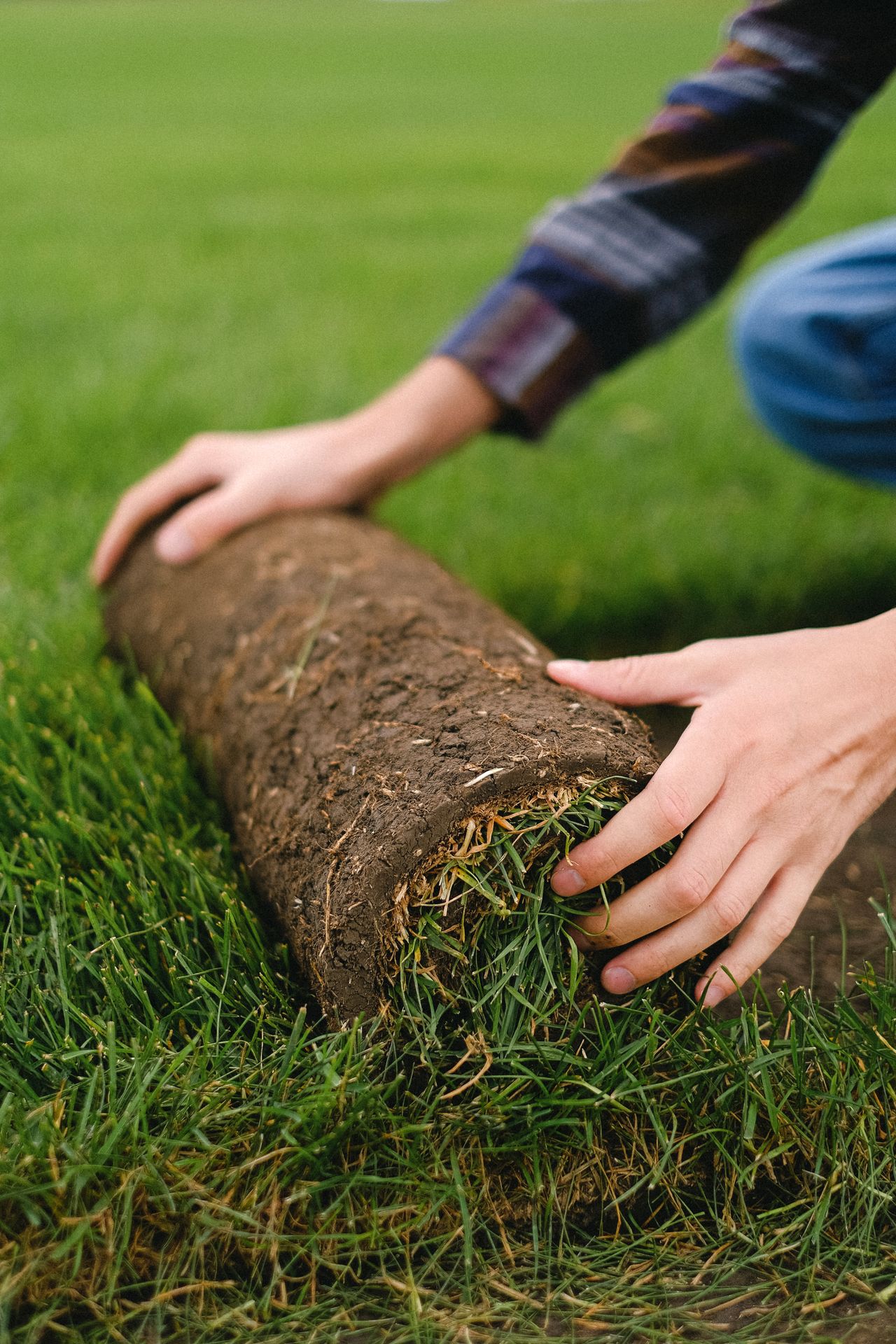
By the linear foot off a fixed-width roll, then cut to your length. The common width is 15 feet, with 6-foot rolls sold for narrower runs and easier handling. So a roll listed at, say, $4 per square foot on a 15-foot width means each linear foot you buy covers 15 square feet and costs about $60.
Two things follow from fixed widths. First, you price by the square foot but buy in whole widths, so a 12-foot-wide yard still uses a 15-foot roll and you trim the excess. Second, any area wider than the roll needs a seam where two widths meet, and seams are where DIY jobs live or die. Plan your layout so the fewest seams fall in the most visible spots, and run all the blades in the same direction across a seam so the join disappears.
How much roll do you need?
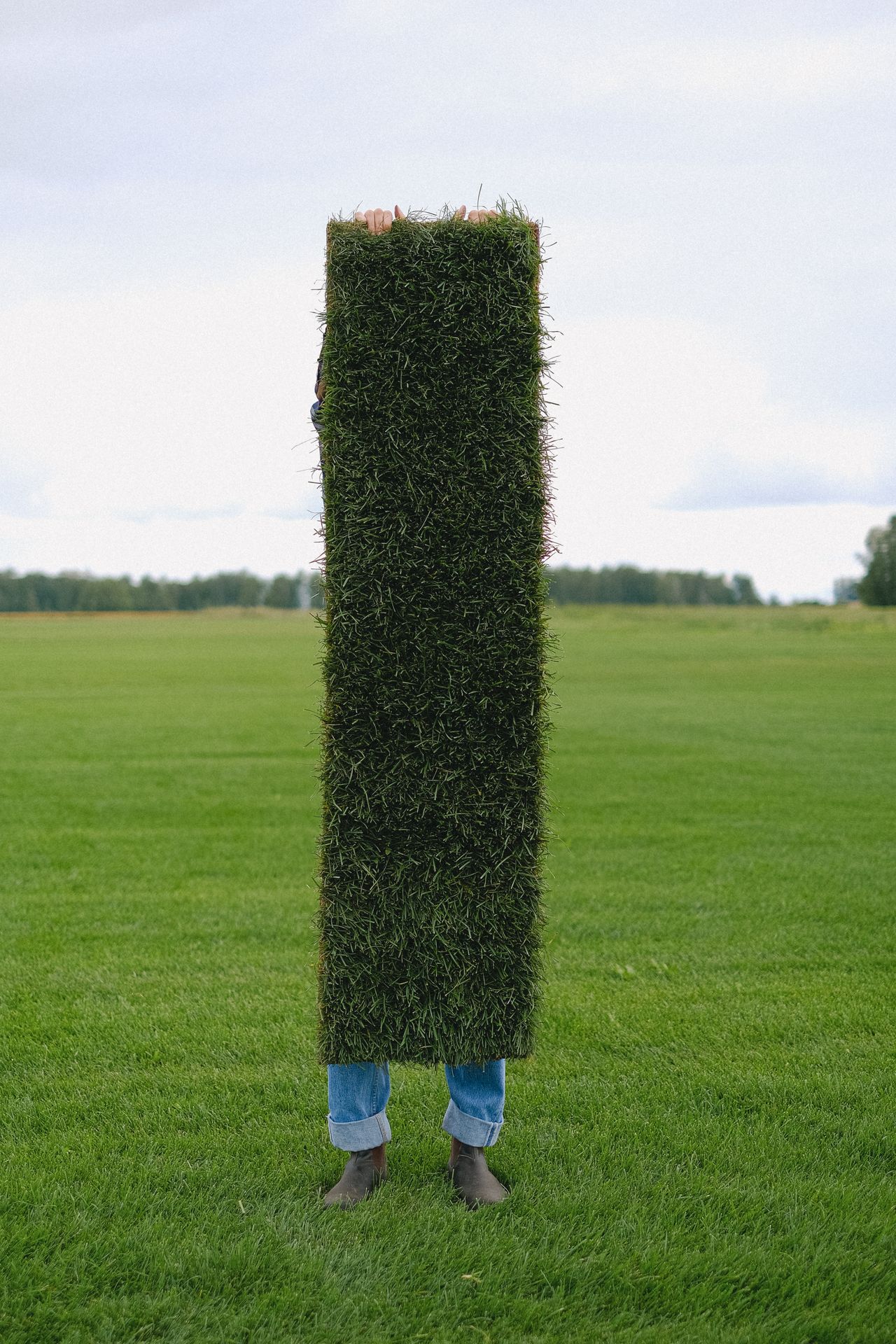
Measure your area in square feet, then add 5 to 10 percent for cuts, seams, and waste. Turf has a grain like carpet, so you can’t rotate pieces freely to save material; the extra covers the trimming that fixed widths force. For an odd-shaped yard, measure the bounding rectangle and buy to that, since you’ll cut the curves out of a rectangular piece anyway.
A worked example: a 20-by-25-foot area is 500 square feet. Add 8 percent and you’re buying about 540 square feet of roll. On a 15-foot width, that’s 36 linear feet, which is two runs with a seam down the middle. At $4 per square foot, the roll runs about $2,160 before infill and everything else. Run your own footage through the turf cost calculator to size both the roll and the full job.
What should you look for on the roll?
Color sells rolls, but three specs decide how it holds up.
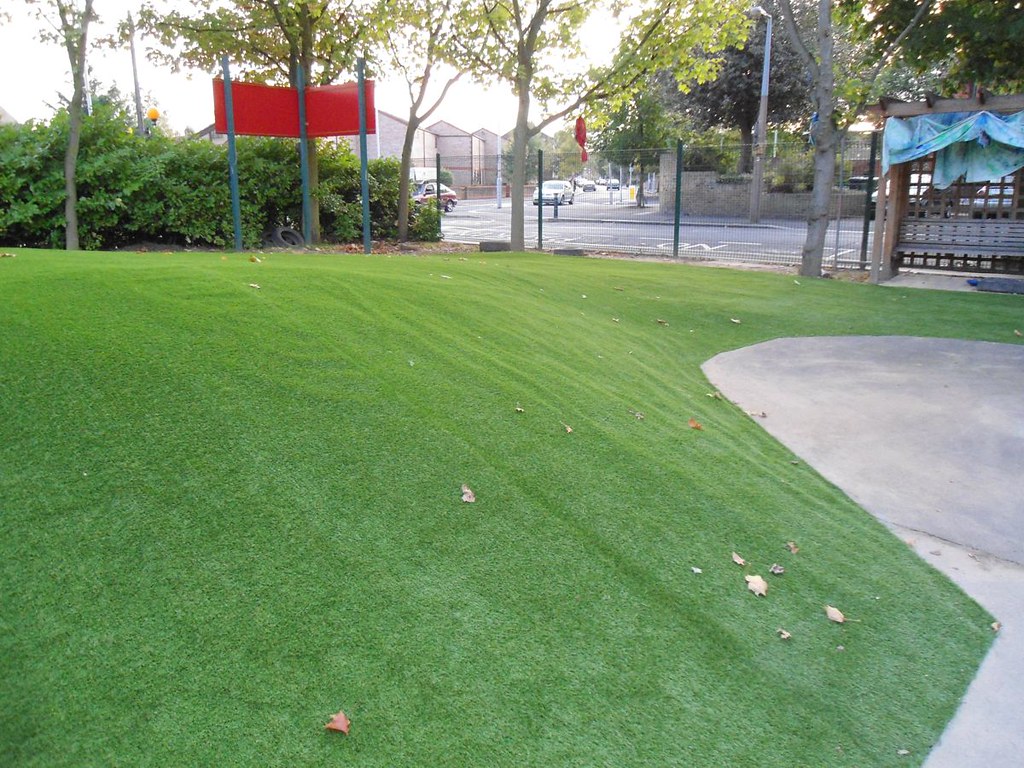
- Face weight. The ounces of yarn per square yard. Higher face weight means denser, plusher turf that recovers from footprints instead of matting flat. It’s the single spec most worth reading, and the one budget rolls quietly cut. Landscape turf commonly runs 60 to 90 ounces; heavier is denser.
- Pile height. How tall the blades are. Taller looks lush but flattens faster under traffic and needs more infill to stand up. For a walked-on lawn, a medium pile around 1.5 inches wears better than a tall showroom pile.
- Backing and drainage. The backing holds the tufts and lets water through. Look for a perforated or fully permeable backing with a stated drainage rate. A roll that drains slowly puddles, and for pets it needs to clear liquid fast.
One more spec worth a glance is UV stability. A quality roll is treated to resist fading in sun, and most carry an 8 to 15 year warranty. A roll with no stated warranty and no UV rating is telling you what it is. Match the roll to the traffic it will take, not to the lowest price per foot.
If a listing shows a low price and hides the face weight, that’s usually a thin roll. Read the spec, not the swatch.
Roll it yourself, or hire it out?
Buying the roll is the DIY path, and it changes the math. A full material kit, roll plus base plus infill plus seam tape plus nails, runs about $4.50 to $9 per square foot before your time, versus $8 to $22 for a professional install. You’re keeping the labor half in your pocket.
The honest trade-off is that the base prep and the seams are the hard parts, and they’re exactly what ruins a lawn done wrong. A small, flat, rectangular area with good access is a reasonable weekend job. A large yard with curves, slopes, or drainage problems is where a crew earns the labor line.
If your job leans heavier duty, sport surface, or dog-rated, the artificial turf roll page covers the thicker rolls built for it and how they differ from a standard landscape roll.
The bottom line
Budget a landscape artificial grass roll at $3 to $5 per square foot for polyethylene, less for budget polypropylene, more for nylon. Buy in whole roll widths (usually 15 feet), add 8 to 10 percent for waste, and read the face weight before you fall for the color. The roll in the rail plus the four items beside it is the whole kit for laying it yourself. For the full installed-cost picture, see the artificial grass installation cost breakdown.
The full roll-it-yourself kit
As an Amazon Associate, MowFree earns from qualifying purchases. These are the specs to shop for, not tested picks - each link runs an Amazon search, and we haven't used the products it returns.
If you're buying the roll, you need four more things to lay it right. This is the whole material list for a DIY job over a prepared base.
- Search Amazon
Artificial grass roll (landscape grade)
The main buy. Polyethylene landscape turf is the all-round pick; check the face weight before the color.
~$3–$5 / sq ft
- Search Amazon
Silica sand infill
Weighs the roll down and stands the blades up. Budget 1–2 lb per square foot.
~$0.60–$1.10 / sq ft
- View on Amazon
Seaming tape and turf glue
Joins roll edges into one surface. Every seam between roll widths needs it.
- View on Amazon
Turf nails / landscape staples
Pin the perimeter and seams to the base. Galvanized 5–6 inch spikes are standard.
- Search Amazon
Turf cutter and stiff brush
A sharp blade for clean cuts from the back, and a brush to stand the fibers up after infill.
A few more questions
- How heavy is a roll of artificial grass?
- A full 15-foot-wide landscape roll can weigh several hundred pounds, often 8 to 12 pounds per square yard of face weight plus backing. Most suppliers cut it to your length so you handle a manageable piece, but a full roll usually needs two people or a cart to move.
Sources
Each source below carries the date it was checked. Turf and labor prices drift after that date, so treat an older date as a wider range and confirm current pricing locally.
- LawnStarter: Artificial Grass Cost (2026): Material-only per-square-foot pricing, verified 2026-07-17
- HomeGuide: Artificial Grass Cost (2026): Per-fiber material ranges, verified 2026-07-17
- InstallArtificial: Artificial Grass Installation Cost (2026): Roll, infill, and DIY material figures, verified 2026-07-17
- The Home Depot: Cost to Install Artificial Grass: Retail roll and install pricing, verified 2026-07-17