Cost pillar
Cost to Install Artificial Turf in 2026: Labor, Base, and Prep
The cost to install artificial turf in 2026 runs $8 to $22 per square foot, and labor plus base prep is more than half of it. Here's what the crew actually charges for and why.
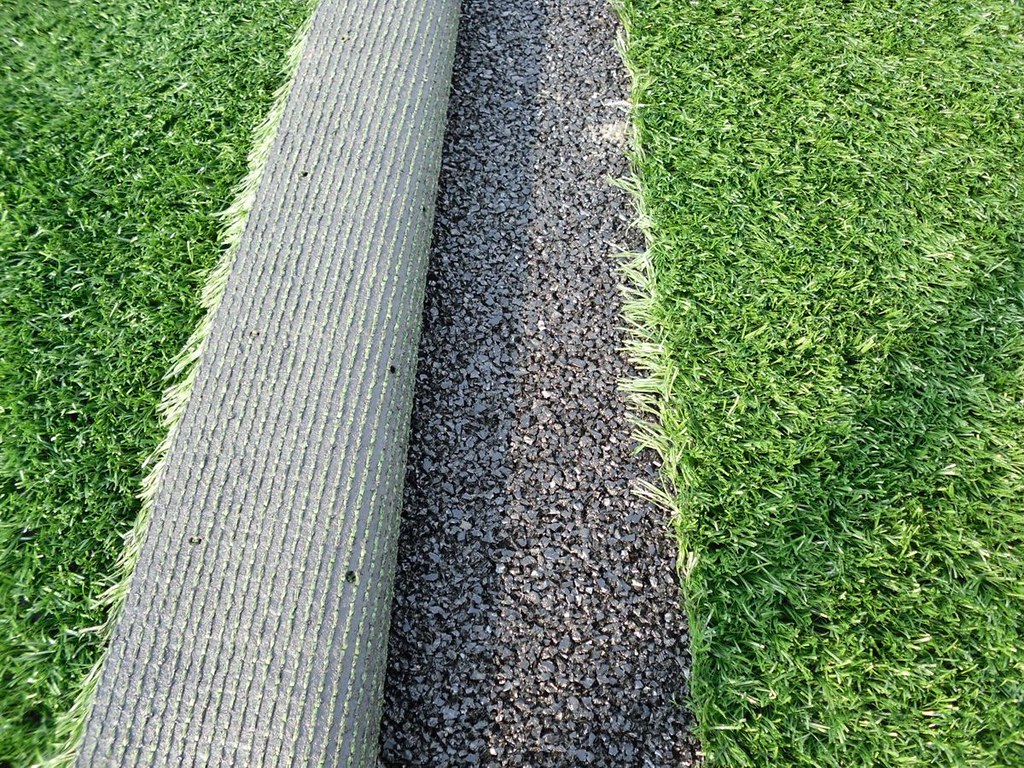
Installing artificial turf costs $8 to $22 per square foot in 2026, with most jobs at $12 to $15. Labor and base preparation make up 55 to 70 percent of that. You're paying a crew to excavate, build and compact a rock base, then cut, seam, and infill the turf, which is the work the turf price never shows.
Installed artificial turf (per sq ft, materials + labor)
Labor and base prep are 55–70% of the total. Figures verified July 2026.
What does it cost to install artificial turf?
The cost to install artificial turf is $8 to $22 per square foot in 2026, and most yards land at $12 to $15. That figure is the whole job, but the useful thing to understand is how it splits. Labor and base preparation together run 55 to 70 percent of the total, verified against Angi and HomeGuide cost data in July 2026. The turf roll is the minority of what you pay.
If you only remember one thing: you are hiring a small construction crew, not buying a green carpet. The price reflects the dig, the rock, and the craft, not the fabric.
Where the install money goes
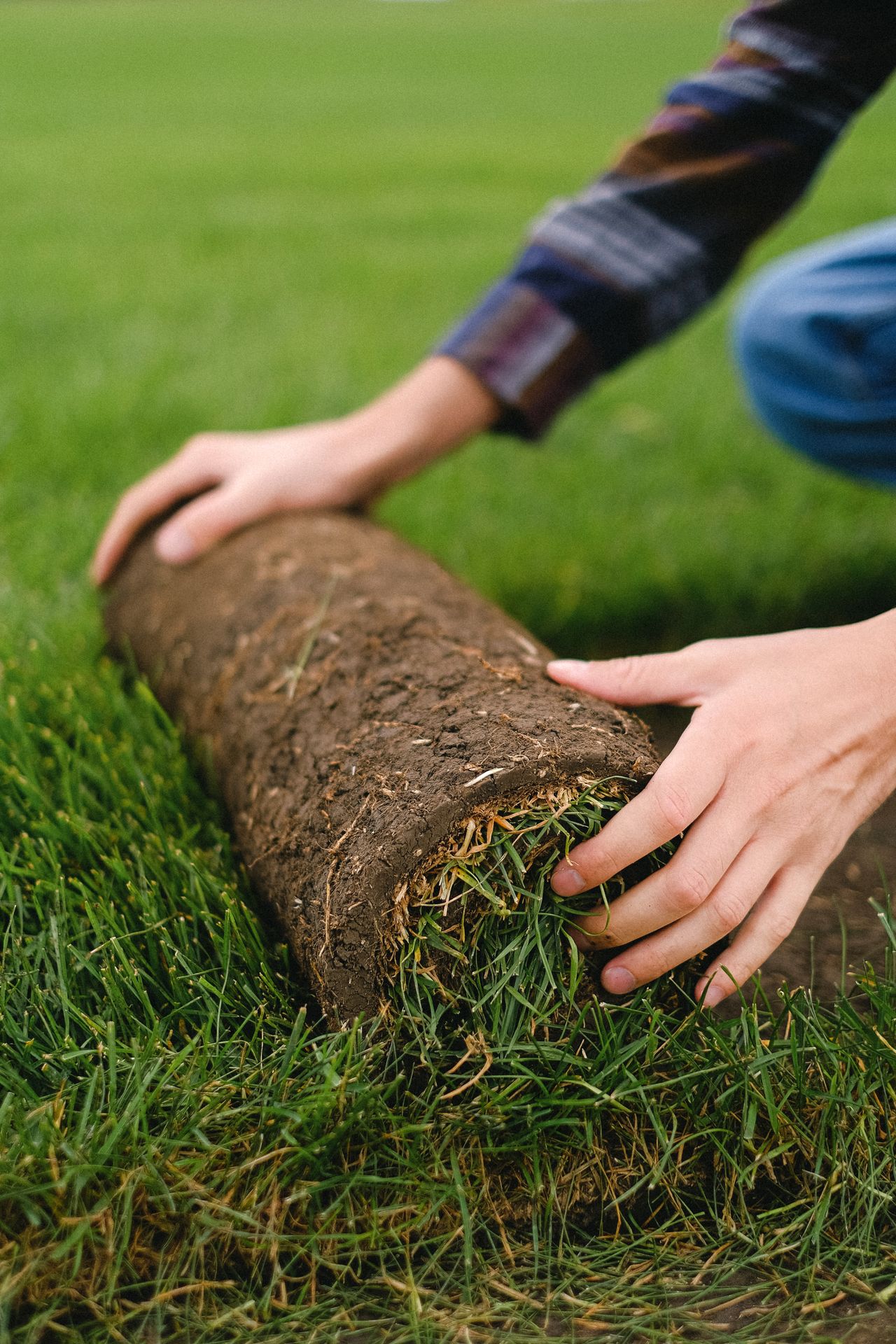
Break a $13-per-square-foot job into its parts and it looks like this.
| Install phase | Cost per sq ft | What it buys |
|---|---|---|
| Demo + haul-away | $1–$2 | Removing old sod, turf, or surface |
| Base aggregate + compaction | $1.20–$2.25 | 3–4 in of crushed rock, graded and tamped for drainage |
| Weed barrier + edging | $0.30–$0.75 | Blocks growth, holds edges |
| Turf material | $2–$5 | The roll itself |
| Cutting, seaming, stretching, nailing | $3–$6 | The skilled labor that makes it look like one lawn |
| Infill | $0.60–$1.10 | Sand or specialty fill that weighs it down and stands the blades up |
Add it up and labor threads through nearly every line. Even the “material” phases need a crew to move, place, and finish them.
Why base prep is the line that matters
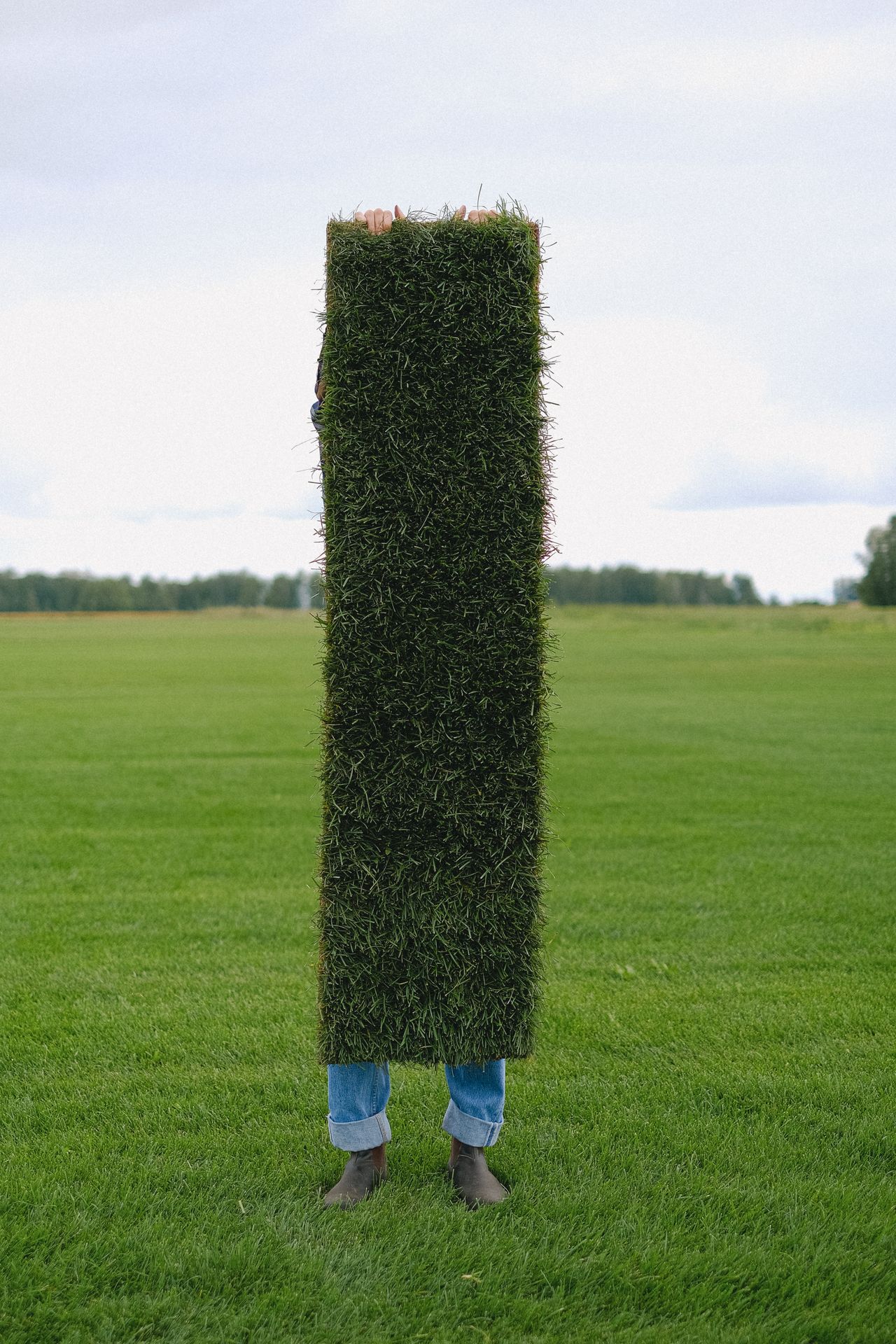
A turf lawn is only as good as the base under it. Crews excavate several inches, lay crushed aggregate, then compact it to real density with a plate compactor. That compacted layer is what drains water away and keeps the surface flat under foot traffic.
Cut this corner and the failures are predictable: puddles after rain, ripples where people walk, and a spongy feel underfoot. When an installer’s bid seems cheap, the base is almost always where they saved money. Ask any bidder how deep the base goes and whether they compact it. The answer tells you more about the quote than the turf brand does.
Turf over soil vs. over concrete
Two common installs, two different labor stories, similar totals:
- Over soil is the standard yard install. The labor is in the excavation and base build.
- Over concrete (patios, balconies, rooftops) skips the dig but adds a drainage pad and a glue-down step. It isn’t automatically cheaper because the prep just moves from the shovel to the adhesive.
Either way, the surface under the turf is doing the work, and preparing it is the labor you’re paying for.
How to keep the install cost down
Real levers, in rough order of impact:
- Do your own demo and haul-away. Pulling the old lawn yourself removes $1 to $2 per square foot of the easiest labor.
- Prep the base yourself, turf by a pro. The base materials in the rail below are cheap; the compaction is sweat, not skill. Some crews will install turf on a base you built.
- Batch the job. Bigger areas cost less per foot because mobilization and minimums spread out.
- Keep it rectangular. Curves, tree wells, and tight gates all add cutting and fitting time.
For a labor-specific breakdown, the turf installation cost page focuses on the crew’s line items. And to turn all of this into a single figure for your yard, run the turf cost calculator.
Prepping the base yourself
As an Amazon Associate, MowFree earns from qualifying purchases. These are the specs to shop for, not tested picks - each link runs an Amazon search, and we haven't used the products it returns.
Hiring a crew for the turf but doing your own demo and grading is a common way to cut the bill. These are the base-layer materials that go in before the turf ever comes off the roll.
- Search Amazon
Class II road base / crushed aggregate
The compacted drainage layer under the turf. Budget 3–4 inches deep.
~$1.20–$2.25 / sq ft
- View on Amazon
Plate compactor (rental adjunct)
A hand tamper works for tiny areas; anything bigger wants a plate compactor to hit real density.
- View on Amazon
Weed barrier fabric
Goes under the base to block growth pushing up through the drainage layer.
- Search Amazon
Bender board / edging
Holds the base and turf edge crisp against beds, paths, and patios.
A few more questions
- How long does a professional turf install take?
- A typical residential backyard takes one to two days for a two-person crew. Demo, base building, and compaction eat most of day one; cutting, seaming, and infill finish it. Large or complex yards run longer.
- Can you install turf over concrete?
- Yes, and it skips the excavation. You still need a drainage layer or a foam pad and proper glue-down, so it isn't automatically cheaper. Base prep on soil and adhesion prep on concrete are just different versions of the same labor line.
Sources
Each source below carries the date it was checked. Turf and labor prices drift after that date, so treat an older date as a wider range and confirm current pricing locally.
- Angi: Artificial Grass Installation Cost (2026): Labor share and installed ranges, verified 2026-07-17
- HomeGuide: Artificial Grass Cost (2026): Base and labor breakdown, verified 2026-07-17
- InstallArtificial: Artificial Grass Installation Cost (2026): Per-layer install costs, verified 2026-07-17