Cost guide
Turf Seaming Tape (2026): Cost, How a Seam Works, and Why DIY Jobs Fail Here
Turf seaming tape and glue run about $20 to $120 per project. How a turf seam is made, self-adhesive vs. glue-down tape, coverage, and why the seam is where DIY installs go wrong.
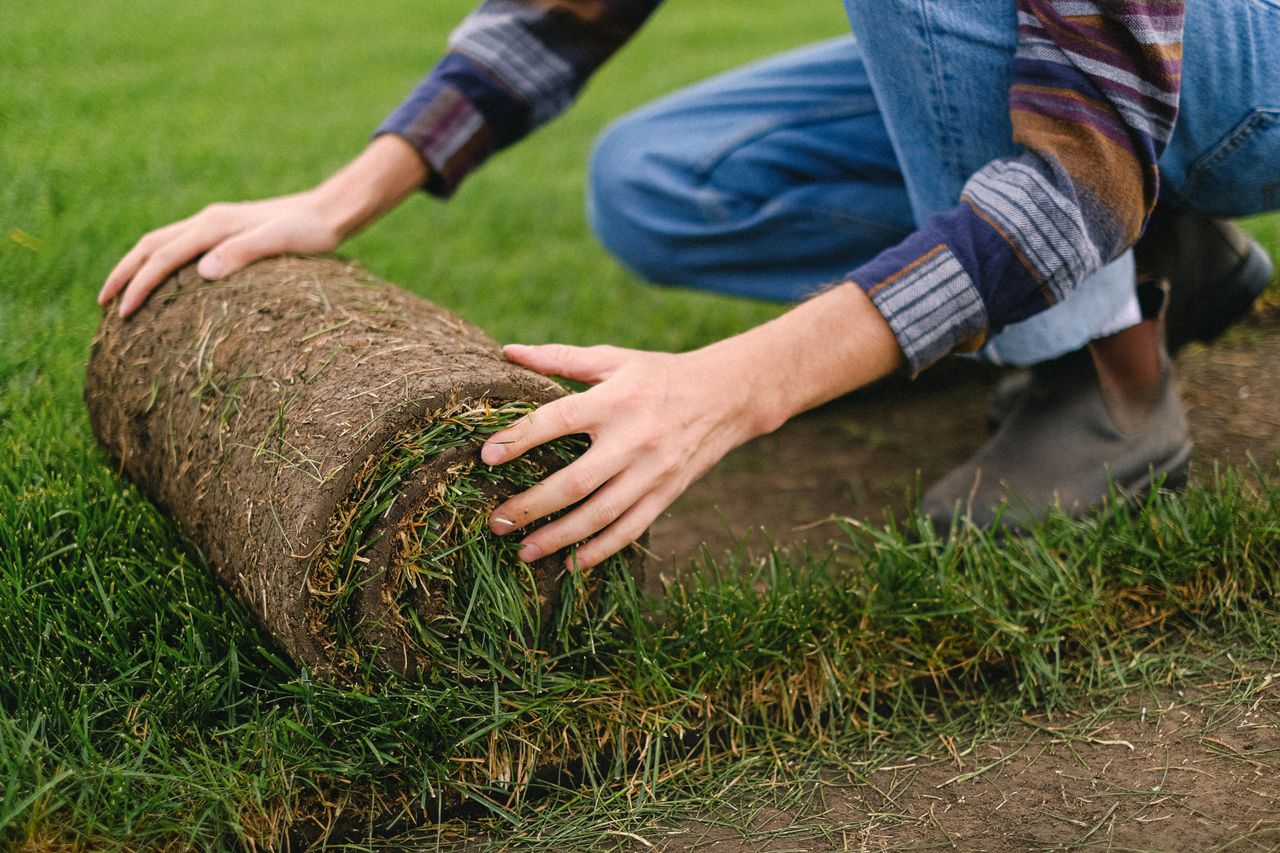
Turf seaming tape is the fabric strip that joins two rolls of artificial grass into one surface. You lay it under the seam, apply turf glue or peel a self-adhesive backing, press the roll edges together, and weight it while it cures. Materials run about $20 to $120 per project. The seam is where most DIY turf jobs fail.
Seaming tape + glue (per project)
Scales with total seam length, not lawn area. Figures verified July 2026.
What is turf seaming tape and how does a seam work?
Turf seaming tape is the fabric strip that joins two rolls of artificial grass into one surface. You lay it under the seam, apply turf glue or peel a self-adhesive backing, press the roll edges together, and weight it while it cures. Materials run about $20 to $120 per project. The seam is where most DIY turf jobs fail.
Here’s the sequence. Any lawn wider than a single roll (landscape turf usually comes 12 or 15 feet wide) has to be made from two or more pieces butted edge to edge. The tape goes face-down on the base, centered under where the two edges will meet, so it bridges the gap and gives both edges one shared backing to grab. Glue goes on the tape, or the tape’s own adhesive does the job. Then you bring the two roll edges together, tight but not overlapping, press them into the adhesive, roll the join flat, and weight it down while it cures. Done right, the blades from both sides blend and the join disappears. Brush infill over it at the end and you can’t find it.
It’s a small line on the overall artificial grass installation cost. It’s also the single fussiest step in a DIY job.
What does seaming tape and glue cost?
Seam materials are cheap, and the total tracks how much seam you have, not how big the lawn is. A long narrow strip along one join costs little; a wide lawn cut into several pieces has more feet of seam to tape and glue. The figures below are current as of July 2026.
| Job | Seam length | Tape + glue |
|---|---|---|
| One seam, small lawn | Short run | ~$20–$40 |
| Typical yard, a seam or two | Moderate | ~$30–$60 |
| Large or multi-piece layout | Long, several seams | Up to ~$120 |
Add a seam roller and a notched trowel once and they carry across every future job. The materials themselves are a rounding error against turf, base, and labor. What makes the seam expensive is getting it wrong, not buying it.
Why is the seam where DIY turf jobs fail?
Because it’s the one step with no margin for error that shows forever. Base prep is hard work but forgiving; you can add rock and compact again. A seam is a one-shot bond, and every mistake in it is visible from standing height for the life of the lawn.
The common failures are all avoidable and all permanent once cured: edges that overlap instead of butting cleanly leave a raised ridge; a gap left between them shows the tape or base as a line down the yard; glue that skins over before the edges go down never bonds, so the seam lifts the first time someone walks it; and blades pinched under the join point the wrong way and catch the light as a visible stripe. None of these buff out. This is why a professional’s labor line is worth it on a big, multi-seam yard, and why a small single-seam job is the reasonable DIY.
Self-adhesive vs. glue-down tape: which should you use?
Two ways to make the same bond.
Glue-down tape is a plain fabric strip plus a separate tub of outdoor turf adhesive you spread with a notched trowel. It’s the stronger, more forgiving bond, it works on a slightly damp or cool day, and it’s what most installers use. The cost is mess and working time: once the glue is down, the clock is running.
Self-adhesive tape has the adhesive built into a peel-off backing. It’s faster and far cleaner, with no trowel and no tub, which makes it appealing for one short seam. The catch is it wants a clean, dry surface and gives you less grab in cold or damp conditions.
For a single small seam in good weather, self-adhesive is the easy call. For a long seam, several seams, or anything less than ideal conditions, glue-down is the safer bond.
How much seaming tape do you need?
Measure your total seam length, not the lawn’s area. Add up every join in your layout end to end, then buy tape to that length plus a margin for trimming and the occasional restart, because splicing a short piece into a seam mid-join is how a visible bump gets born. Match the glue coverage to the same footage; the adhesive label lists a linear-feet-per-container figure to size against.
If you haven’t laid out the pieces yet, run the yard through the turf cost calculator to estimate roll count first, since the number of rolls is what sets how many seams, and therefore how much tape, you’ll actually cut.
The bottom line
Seaming tape and glue are cheap, roughly $20 to $120 for a project, and the seam is the one DIY step that punishes a mistake permanently. Lay the tape centered under the join, use glue-down adhesive for anything long or in less-than-ideal weather and self-adhesive for a single short seam, butt the edges without overlap, roll it flat, and weight it while it cures. Then nail the seam per the turf nails guide and brush infill over it to finish. The rail above is the whole seam kit.
The seam kit, done right
As an Amazon Associate, MowFree earns from qualifying purchases.
A turf seam is a five-part job: tape under it, adhesive on it, edges pressed together, rolled flat, and weighted to cure. This is the whole kit. It's cheap, and it's the difference between an invisible join and a line down the middle of the lawn.
- View on Amazon
Turf seaming tape
The fabric strip that bridges the join. Sits under both roll edges so the seam has one continuous backing.
~$20–$120 / project
- View on Amazon
Turf seam adhesive
Outdoor-rated glue troweled onto the tape. Bonds both edges down so the seam can't lift or gap.
- View on Amazon
Self-adhesive seam tape
Peel-and-stick backing instead of separate glue. Faster and cleaner for a small job, if the surface is dry.
- View on Amazon
Seam roller
Presses the pressed edges into the adhesive evenly so there are no high spots or air pockets along the join.
- View on Amazon
Notched trowel
Spreads the seam glue in even ridges so you get full contact without flooding the tape.
A few more questions
- Can you install artificial grass without any seams?
- Yes, if the area is narrower than the roll. Landscape turf commonly comes in 12- or 15-foot widths, so a space under that width can be covered in one piece with no seam at all. Anything wider needs rolls joined, which is where seam tape comes in.
Sources
Each source below carries the date it was checked. Turf and labor prices drift after that date, so treat an older date as a wider range and confirm current pricing locally.
- InstallArtificial: Artificial Grass Installation Cost (2026): Seaming method and materials, verified 2026-07-17
- HomeGuide: Artificial Grass Cost (2026): DIY materials context, verified 2026-07-17
- LawnStarter: Artificial Grass Cost (2026): Materials-only pricing, verified 2026-07-17