Cost guide
Turf Underlayment (2026): Base, Shock Pads, and When You Need One
Turf underlayment splits into two jobs: the crushed-aggregate base every lawn needs at $1.20 to $2.25 per sq ft, and a foam shock pad you add over concrete or for fall safety.
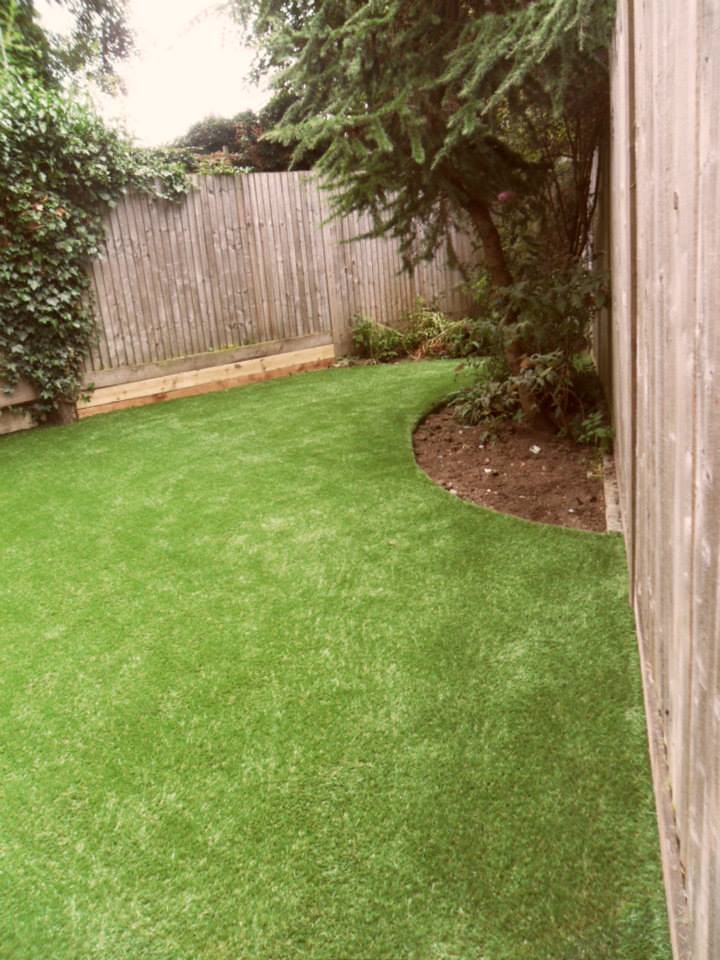
Turf underlayment covers two different jobs. The crushed-aggregate base under every turf lawn runs $1.20 to $2.25 per square foot and handles drainage and footing. A foam shock pad is an added layer, used over concrete, for playground fall height, or for comfort, not a replacement for the base.
Base / underlayment (per sq ft)
Crushed-aggregate base material. A foam shock pad is an added layer on top. Verified July 2026.
What is turf underlayment?
Turf underlayment covers two different jobs. The crushed-aggregate base under every turf lawn runs $1.20 to $2.25 per square foot and handles drainage and footing. A foam shock pad is an added layer, used over concrete, for playground fall height, or for comfort, not a replacement for the base. Both figures are verified against InstallArtificial and HomeGuide cost data as of July 2026.
People use “underlayment” to mean both, which causes confusion, so this page splits them. The base is the thing nearly every install needs. The pad is the thing some installs add on top. Get the two straight and you’ll read a quote correctly. For how the base fits the whole job, see the artificial grass installation cost page.
What does the aggregate base do?
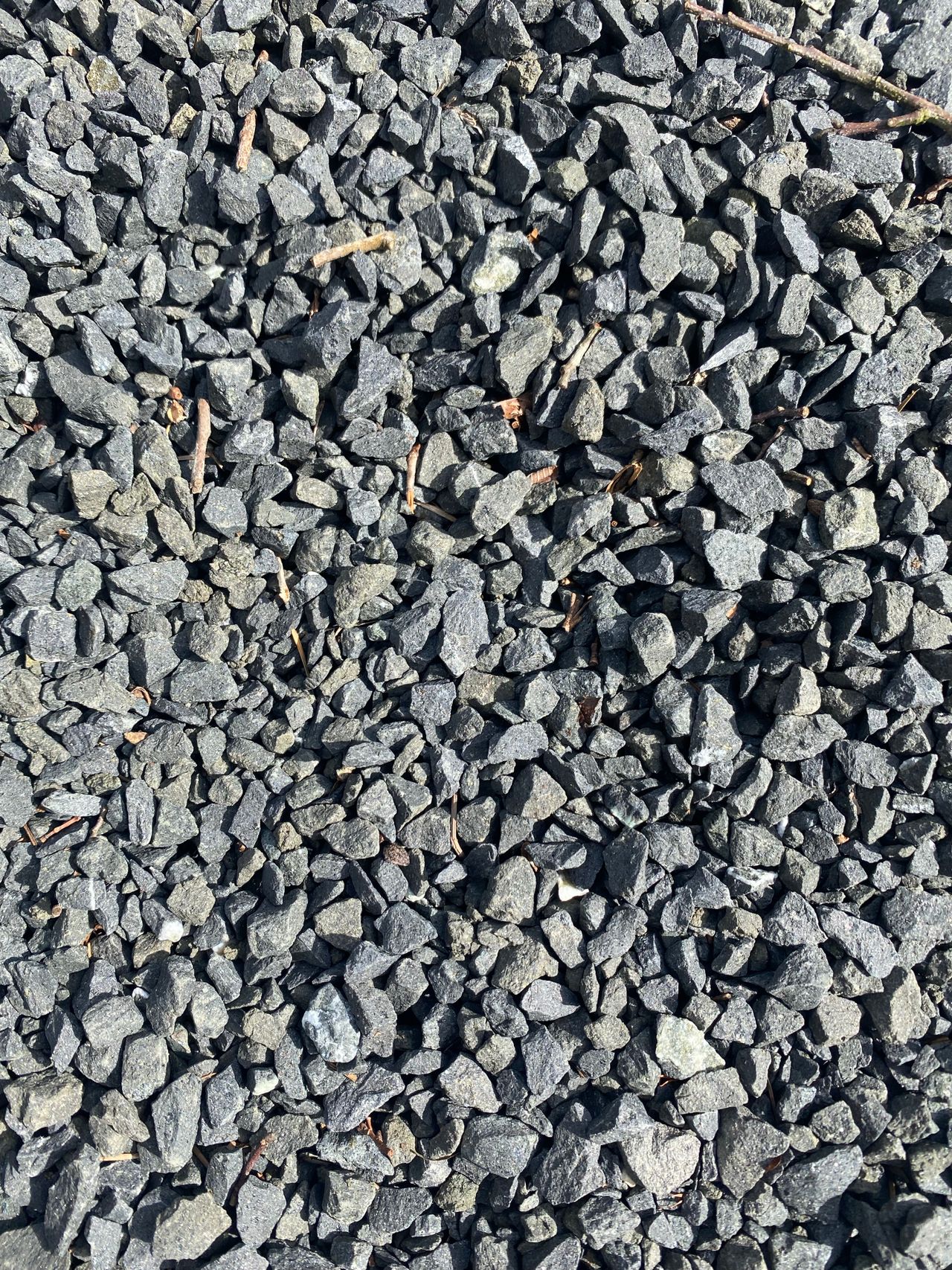
The base is the compacted layer of crushed rock between the soil and the turf, usually 3 to 4 inches deep. It does the two jobs that make a lawn last: it drains water away so the surface doesn’t puddle, and it gives a firm, level footing so the turf doesn’t ripple or sink in traffic lanes.
This is the layer that separates a lawn that stays flat for years from one that fails after two winters. Crews excavate the soil, lay the aggregate (Class II road base or decomposed granite), and compact it to real density with a plate compactor. A weed barrier fabric goes under it to stop growth pushing up through the drainage layer.
The base material runs $1.20 to $2.25 per square foot, and the compaction labor is on top of that. It’s cheap material and hard work, which is exactly why it’s the line installers cut when a bid comes in suspiciously low.
When do you need a foam shock pad?
A shock pad is a separate layer of closed-cell or perforated foam that sits between the base (or concrete) and the turf. You don’t always need one. Add it in three cases:
- Over concrete or a hard slab. Patios, balconies, and rooftops have no soil base to build. A permeable pad gives the turf some give and helps carry water to the slab’s drainage.
- For playground fall height. Under play equipment, a shock pad rated to a critical fall height cushions falls to meet safety standards. This is the case where the pad is doing real safety work, not just comfort.
- For comfort underfoot. On any install, a pad makes the surface noticeably softer to walk, sit, and play on. Some homeowners add it purely for feel.
What a pad does not do on soil is replace the aggregate base. Build turf on foam over dirt and you invite settling and puddles, because the foam can’t drain or carry load the way compacted rock does.
How do the underlayment options compare?
Here’s the stack, and when each layer earns its place.
| Layer | Cost | Job | When you need it |
|---|---|---|---|
| Weed barrier fabric | ~$0.10–$0.30 / sq ft | Blocks growth | Nearly always, under the base |
| Crushed aggregate base | $1.20–$2.25 / sq ft | Drainage + footing | Every soil install |
| Foam shock pad | Varies by rating | Cushion + fall safety | Over concrete, playgrounds, comfort |
The base is the non-negotiable line on a soil lawn. The weed barrier is cheap insurance under it. The shock pad is the one you choose based on your use, and it’s an add to the budget, not a swap for the base.
What drives the base cost up or down?
Within the $1.20 to $2.25 range, a few things move the material and labor:
- Depth. A deeper base for pet lawns, putting greens, or heavy-traffic areas uses more aggregate.
- Soil condition. Rocky or clay soil takes more excavation before the base goes in. Soft, well-draining soil is faster.
- Access. A backyard reachable only through a narrow gate means every load of aggregate is hand-carried by wheelbarrow, which adds labor per foot.
- Region. Aggregate and disposal costs vary by market, same as everything else in a turf install.
The base is a bigger line than most people expect, and a bigger line than the turf roll on many jobs. The turf installation cost per square foot page breaks down why base prep outweighs the fabric.
The bottom line on underlayment
For a soil lawn, budget the aggregate base at $1.20 to $2.25 per square foot plus compaction labor, with a weed barrier under it. Add a foam shock pad only for concrete installs, playground fall safety, or a softer feel, and treat it as an extra layer, not a substitute.
The base is where a turf lawn lives or dies, so when an installer bids, ask how deep the base goes and whether they compact it. Then run your square footage through the turf cost calculator to see how the base folds into the installed total.
The underlayment stack, layer by layer
As an Amazon Associate, MowFree earns from qualifying purchases.
A turf install has a base you almost always need and a pad you sometimes add. These are the components, bottom to top. Prices are the material side only, before labor.
- View on Amazon
Class II road base / crushed aggregate
The compacted drainage-and-footing layer under nearly every turf lawn. Budget 3 to 4 inches deep.
~$1.20–$2.25 / sq ft
- View on Amazon
Weed barrier fabric
Goes under the base to stop growth pushing up through the drainage layer. Cheap insurance.
- View on Amazon
Foam shock pad / turf underlay
The added comfort-and-safety layer. Used over concrete, for playground fall height, or for a softer feel underfoot.
- View on Amazon
Plate compactor (rental adjunct)
A hand tamper works for tiny areas; anything bigger wants a plate compactor to hit real base density.
A few more questions
- Do you always need a shock pad under turf?
- No. A standard soil-based lawn install drains and feels fine on a compacted aggregate base alone. A shock pad is for specific cases: over hard concrete, under playground equipment for fall protection, or when you want a noticeably softer feel underfoot. It's an add-on, not a default.
- Can a foam pad replace the crushed-rock base?
- On soil, no. The aggregate base does the drainage and footing work a foam pad can't, and building on foam over dirt invites settling and puddles. Over concrete is the exception, where a permeable pad plus proper slope handles drainage because there's no soil base to build.
Sources
Every price on this page was checked against these sources on the date shown. We re-verify quarterly.
- InstallArtificial: Artificial Grass Installation Cost (2026): Base material cost and depth, verified 2026-07-17
- HomeGuide: Artificial Grass Cost (2026): Base aggregate per-square-foot pricing, verified 2026-07-17
- Angi: Artificial Grass Installation Cost (2026): Base and prep as a cost line, verified 2026-07-17